Classic SNES Cartridge Prices Skyrocket Amid Retro Revival
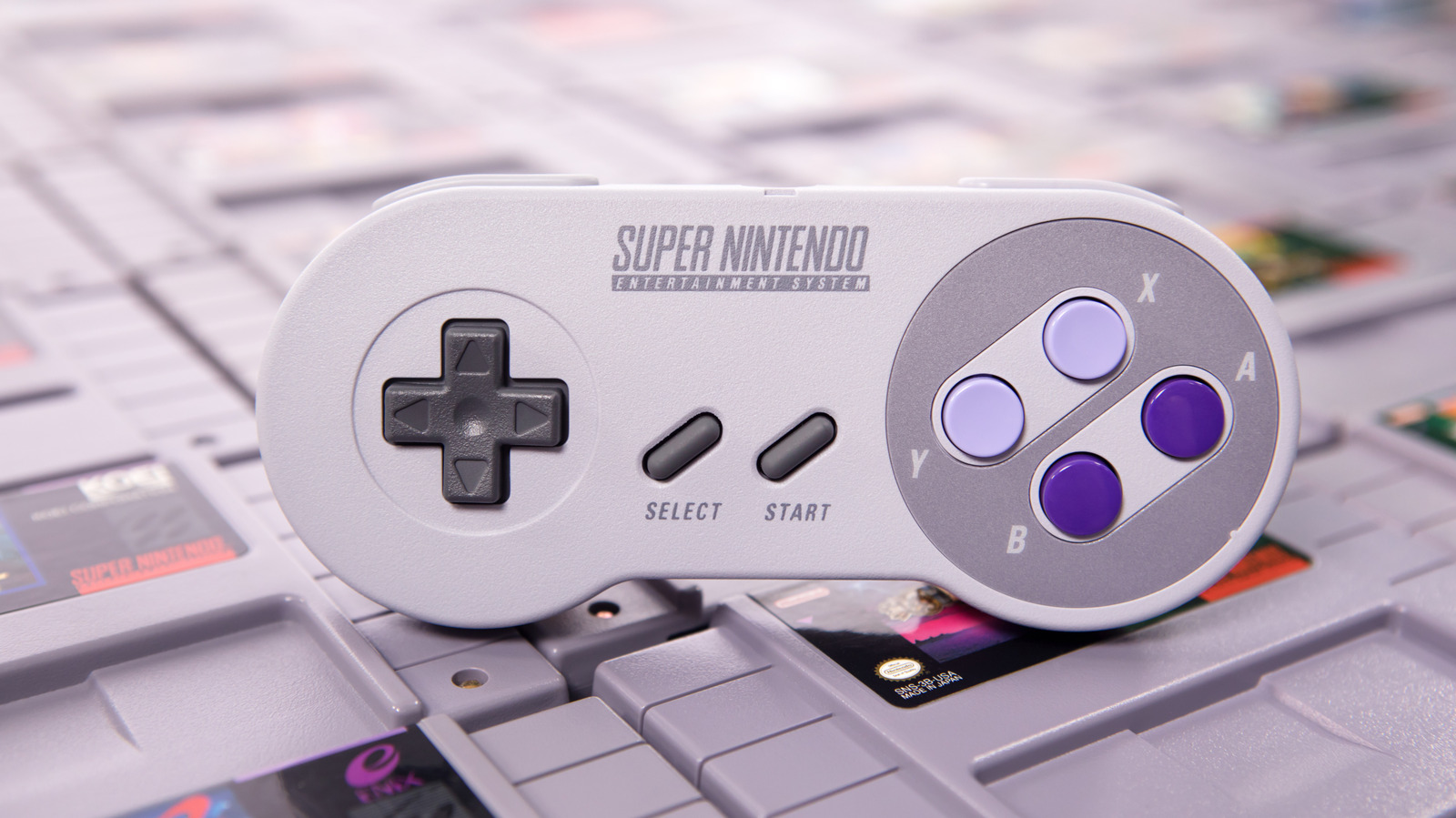
The market for Super Nintendo Entertainment System (SNES) cartridges has exploded in recent months, with many titles now commanding prices that were unheard of a decade ago. Collectors and nostalgia‑driven gamers are fueling demand, while the scarcity of original, sealed or near‑mint copies pushes values higher, turning once‑affordable classics into premium collectibles.
First released in 1990, the SNES enjoyed a ten‑year run of popularity before newer consoles took over. Today, a fresh wave of gamers—many who grew up with the system or discovered it via modern streaming and retro‑gaming channels—are chasing authentic hardware experiences. This revived interest aligns with broader trends in the collectibles world, where rarity and cultural cachet often translate into steep prices.
Supply constraints lie at the heart of the price surge. Original production runs for many games were relatively limited, and most copies have since been lost, damaged, or locked away in private collections. Consequently, the pool of high‑quality cartridges available for resale is thin. Sellers on platforms such as eBay and specialized auction houses frequently note that even ubiquitous titles like "Super Mario World" can fetch several hundred dollars when graded as "near‑mint," while rarer releases such as "Chrono Trigger" or "EarthBound" regularly surpass the thousand‑dollar mark.
Grading condition further widens price gaps. Professional services that evaluate a cartridge's physical state, box integrity, and manual completeness assign grades that can dramatically shift market value. A sealed, factory‑wrapped copy may be worth multiple times its already inflated unsealed counterpart, prompting some collectors to invest in preservation tools and climate‑controlled storage to safeguard their acquisitions.
The financial allure has also drawn speculative investors, who buy games expecting future appreciation. This mirrors patterns seen in other niche markets, from comic books to vintage sneakers, and adds a layer of volatility to pricing. While some buyers treat the market as a legitimate investment, others caution that soaring prices could push away casual fans looking for an affordable entry into retro gaming.
Industry watchers suggest that the current trajectory could spur official re‑releases or licensed reproductions to meet demand without further depleting the limited original stock. Nintendo has already launched several SNES Classic Edition mini‑consoles, yet many enthusiasts argue these do not replace the tactile experience of original hardware. As the retro market matures, the balance between preserving historic artifacts and satisfying consumer appetite will likely shape the future of SNES pricing.



Comments (0)
Be the first to comment.
Join the discussion