Citroën Reimagines Iconic 2 CV as an Electric Concept, Yet It Skips the U.S. Market
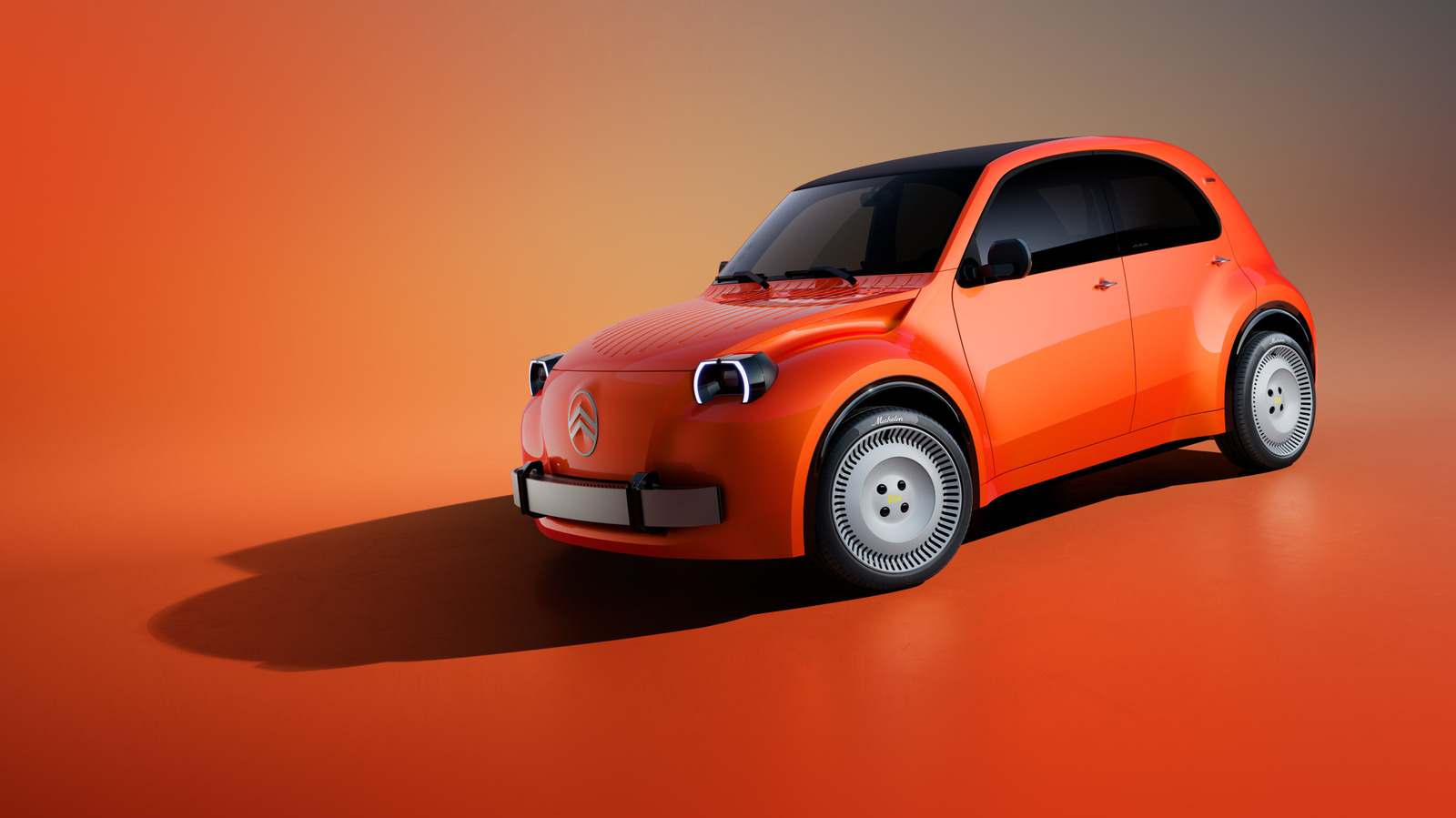
French carmaker Citroën has rolled out an electric concept that reinterprets its famed 2 CV, the stripped‑down utility car that became a symbol of post‑war Europe. The prototype fuses the classic shape with a quiet, zero‑emission powertrain, underscoring the brand’s aim to blend heritage with today’s sustainability objectives.
First launched in the late 1940s, the 2 CV built a reputation for low cost, simplicity and durability, winning over farmers, commuters and hobbyists across the continent for over four decades. Its designation, short for \"deux chevaux\", reflected the modest fiscal horsepower rating that kept ownership expenses down, a notion that still echoes in current debates on affordable mobility.
Citroën’s electric reinterpretation keeps the signature corrugated panels, rounded fenders and the unmistakable \"egg‑shaped\" front, while swapping the original air‑cooled engine for a compact battery pack and electric motor. Presented as a proof‑of‑concept rather than a production‑ready vehicle, it shows how classic styling cues can be updated to satisfy modern environmental standards without losing the car’s playful spirit.
Even with the excitement surrounding the launch, the manufacturer confirmed the electric 2 CV will not be sold in the United States. Analysts attribute the move to a mix of stringent safety rules, limited appetite for niche retro‑styled EVs, and Citroën’s current focus on Europe and select Asian markets. The broader plan appears to prioritize expanding its mainstream electric range instead of introducing low‑volume specialty models abroad.
The unveiling highlights a growing pattern among legacy brands to revisit beloved models through an electric lens, a strategy that can attract both nostalgia‑driven buyers and eco‑conscious shoppers. While U.S. customers may have to wait, the concept offers a glimpse of how Citroën could tap its rich history to shape future mobility, potentially influencing the design language of upcoming electric vehicles worldwide.



Comments (0)
Be the first to comment.
Join the discussion