Choosing the Proper Solar Panel Capacity for Your RV
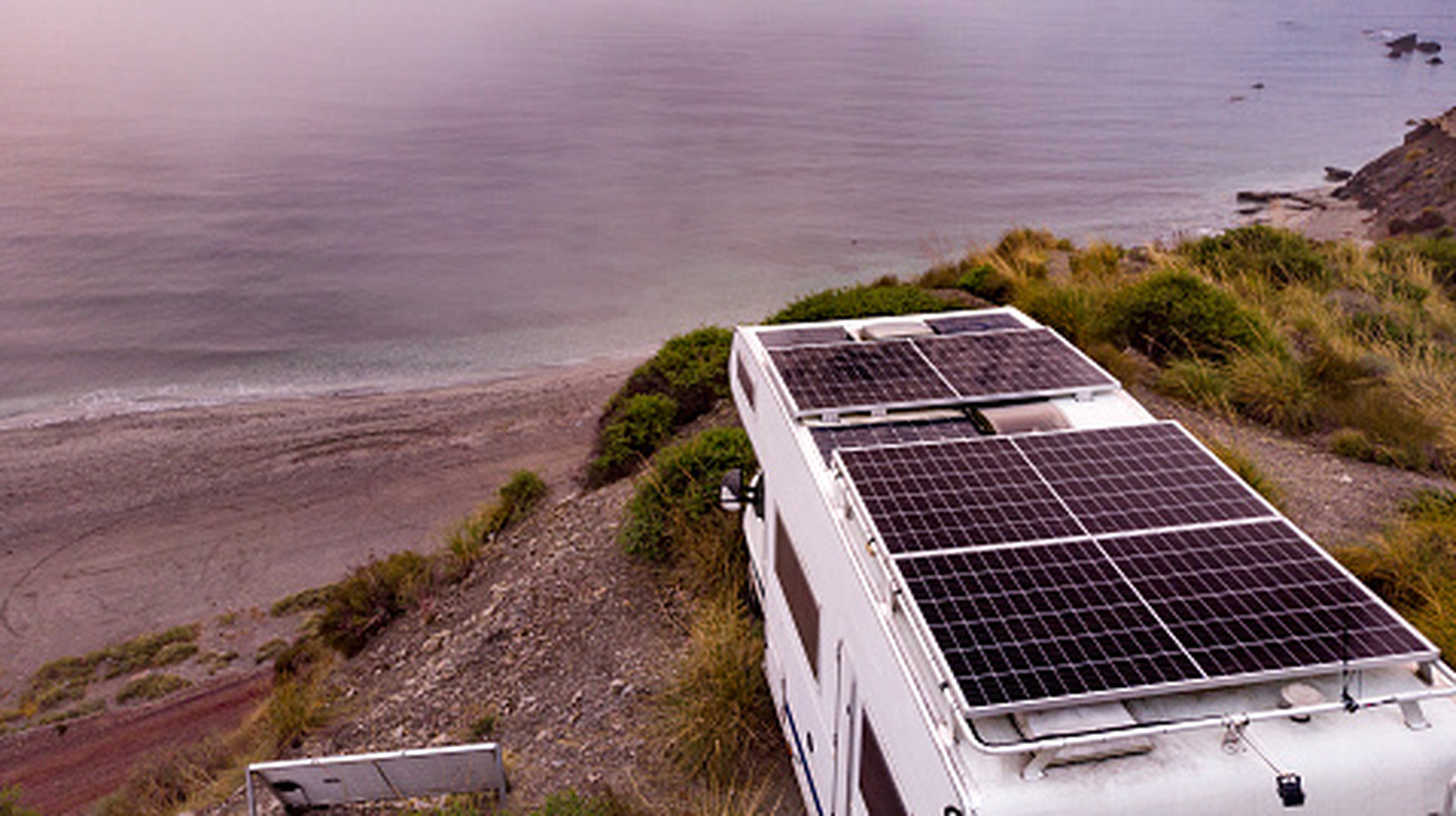
RV owners using solar power need to start with one basic query: how many watts of solar energy are necessary to satisfy their daily consumption? Lacking an accurate figure can lead to undersized setups that drain the batteries or to unnecessarily large panels that increase weight and expense without providing advantage.
The first step in proper sizing is a detailed inventory of the RV’s electrical load. Items like the fridge, air‑conditioner, water pump, lighting and gadgets each consume power measured in watt‑hours. Summing the projected daily usage of every appliance and contrasting it with the battery bank’s storage capacity lets owners determine how much energy the solar array must provide each day.
Typical midsize motorhomes and trailer rigs draw about 2,000‑5,000 watt‑hours over a 24‑hour span, influenced by heating, cooling and media use. If we presume roughly four peak sun hours daily—a number that shifts with latitude, season and cloud cover—an RV that uses 3,500 watt‑hours would need a panel system near 875 watts (3,500 ÷ 4). Modifications become essential when traveling to lower‑sunlight areas or when powering high‑consumption devices such as an inverter or electric heater.
Real‑world factors go beyond simple calculations. Obstructions like trees, awnings or even the RV’s roof can cut panel efficiency by 20 % or higher, making orientation and tilt critical. Employing a charge controller—ideally a maximum‑power‑point‑tracking (MPPT) unit—is vital for turning fluctuating solar output into effective battery charge. Inverters also introduce losses, usually 10‑15 % of the drawn power, and must be sized to meet peak demand without straining the setup.
Online solar calculators and smartphone applications streamline the sizing task, letting users enter their appliance inventory, battery details and anticipated sunlight to obtain a suggested panel rating. With ongoing advances and falling costs, an increasing number of RV fans are choosing modular, flexible panels that can be expanded step‑by‑step. Aligning solar capacity with true energy needs enables off‑grid adventures while controlling weight, expense and system complexity.



Comments (0)
Be the first to comment.
Join the discussion