Child Advocacy Group Calls Teen‑Targeted ChatGPT a Significant Safety Hazard
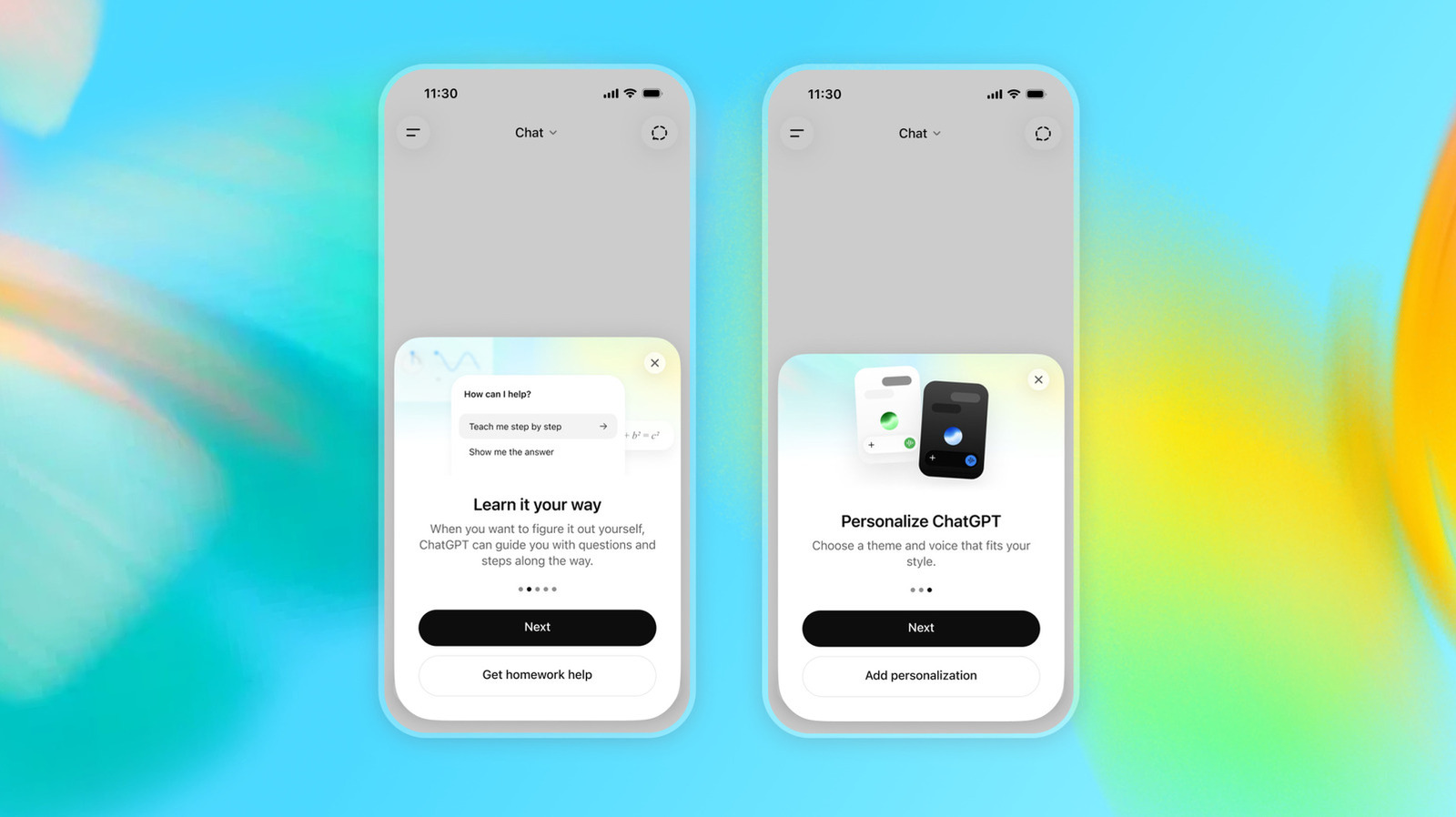
Common Sense Media, the nonprofit that reviews media for kids and families, issued a scathing review of OpenAI’s newly launched ChatGPT for Teens, branding the platform an “unacceptable risk” for its intended users. The group reports that the chatbot failed to meet standards in five essential safety areas following extensive testing.
The assessment employed numerous scenarios intended to examine how the model deals with age‑appropriate content, privacy protections, advertising exposure, data‑collection methods and emotional‑support features, and it determined that the teen‑focused version falls short of the benchmarks set for younger users. The report notes that all five categories exhibited notable deficiencies that might subject teenagers to unsuitable material or undesirable data practices.
OpenAI rolled out the teen‑specific version earlier this year, positioning it within a wider effort to customize large‑language‑model applications for distinct audiences. Although the firm touted capabilities like filtered replies and parental controls, Common Sense Media’s analysis indicates those provisions fall short. The nonprofit’s experts contend that absent strong, enforceable protections, the service could unintentionally disclose personal data or allow harmful content to slip through.
Digital‑safety specialists have repeatedly cautioned that AI chatbots, even those advertised for younger audiences, may produce unforeseen or deceptive responses. This danger is amplified because teenagers frequently lack the critical‑thinking abilities needed to spot nuanced errors or manipulative phrasing. Accordingly, the Common Sense Media report highlights the wider difficulty of matching fast‑moving AI innovations with current child‑protection regulations.
OpenAI has not provided a detailed reply to the pointed critiques, although a company representative has previously stressed its dedication to ongoing improvement and user safety. The organization typically releases updates in response to input from scholars and regulators, implying that the report may trigger changes to the teen product’s moderation algorithms and privacy rules.
Policymakers and school administrators are monitoring the situation closely. A number of state education departments have started to draft policies governing AI in classrooms, and the newest report could hasten demands for more explicit regulatory standards. Should the issues flagged by Common Sense Media be confirmed by additional independent assessments, lawmakers may pursue stricter oversight of AI tools aimed at minors.
For parents and caregivers, the finding acts as a warning. Although AI assistants can provide educational help and conversational practice, experts recommend that families keep active supervision, use the built‑in parental controls, and stay updated on the shifting abilities of these tools. As the conversation on digital safety persists, developers face growing pressure to demonstrate that their offerings can consistently safeguard the youngest and most impressionable users.



Comments (0)
Be the first to comment.
Join the discussion