Chemical Study of Fossil Teeth Shows Cretaceous Dinosaurs Ate Seaweed
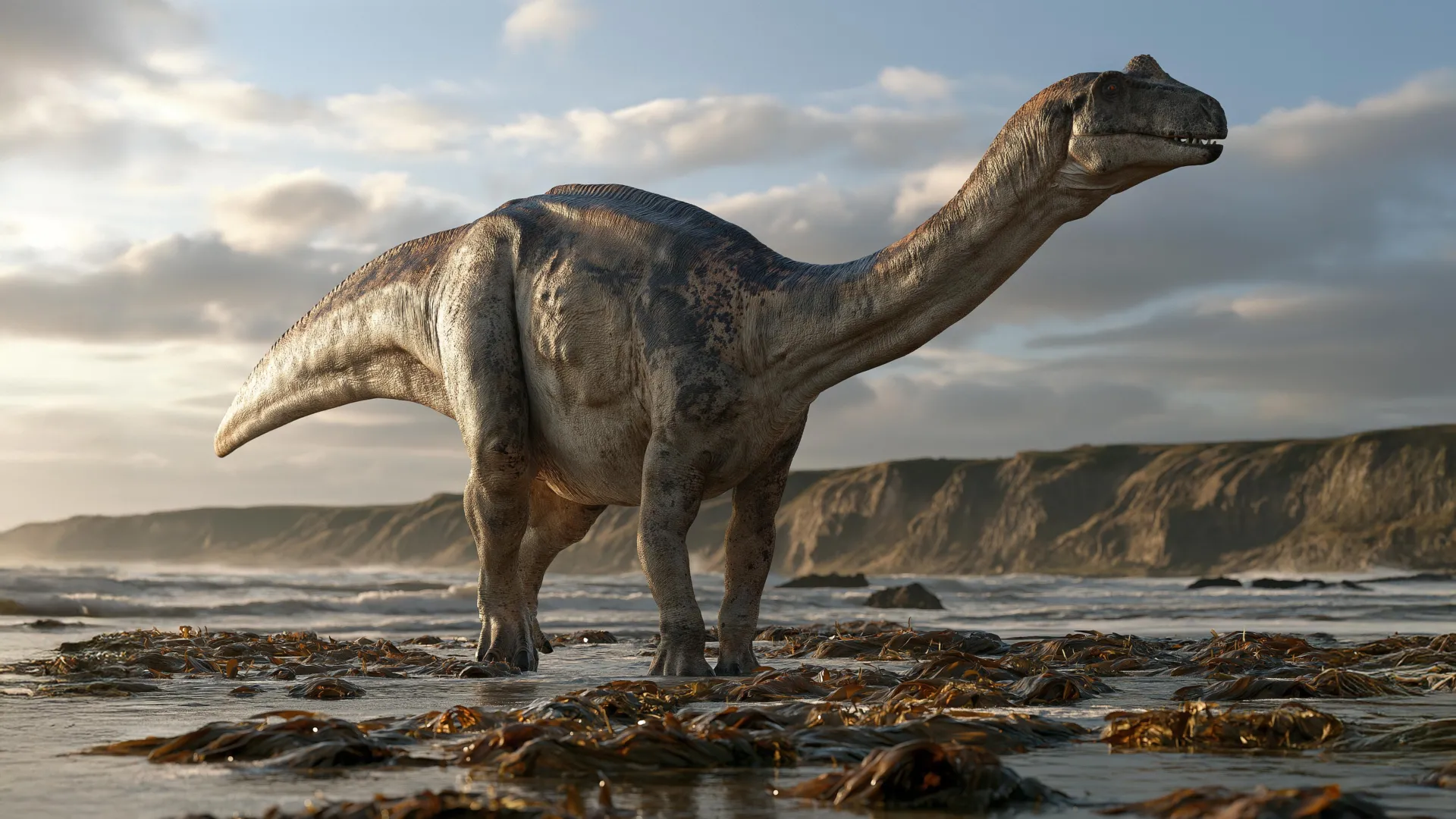
A recent chemical examination of fossilized teeth indicates that certain dinosaurs inhabiting coastal zones over 100 million years ago consumed seaweed and other marine plants, challenging the conventional notion that these reptiles were exclusively terrestrial herbivores.
The investigation, carried out by paleontologists together with geochemists, analyzed microscopic residues locked within the enamel of several exceptionally preserved specimens. By detecting biomarkers typical of marine algae, the team concluded that these animals regularly ate food sourced from near‑shore ecosystems.
Although dinosaurs are well known for a spectrum of feeding habits—from gigantic carnivores to towering herbivores—most dietary reconstructions rely on tooth morphology, wear patterns, and the occasional preserved stomach contents. The discovery of marine‑derived chemical signatures adds a new layer, suggesting that at least some taxa exploited the plentiful resources of ancient coastlines, where tidal flats and mangrove‑like environments would have fostered abundant seaweed growth.
These results fit with mounting evidence that the Late Cretaceous landscape comprised a patchwork of linked habitats. Coastal floodplains, river deltas and shallow seas formed ecological corridors that permitted closer interactions between land and sea organisms than previously thought. By extending their foraging to marine vegetation, dinosaurs might have secured nutritional benefits during times of seasonal land‑based scarcity.
The authors note that the chemical markers do not identify a single species but rather hint at a broader trend among coastal dinosaurs and possibly other contemporary reptiles. Ongoing research will seek to match these biomarkers with particular tooth shapes and geographic contexts, sharpening our grasp of how widespread the behavior was. Should the pattern be confirmed at additional sites, it could overhaul Cretaceous food‑web models and underscore the adaptive versatility of dinosaurs in exploiting varied environments.



Comments (0)
Be the first to comment.
Join the discussion