California Prohibits AI Use in Employee Firing and Ongoing Monitoring
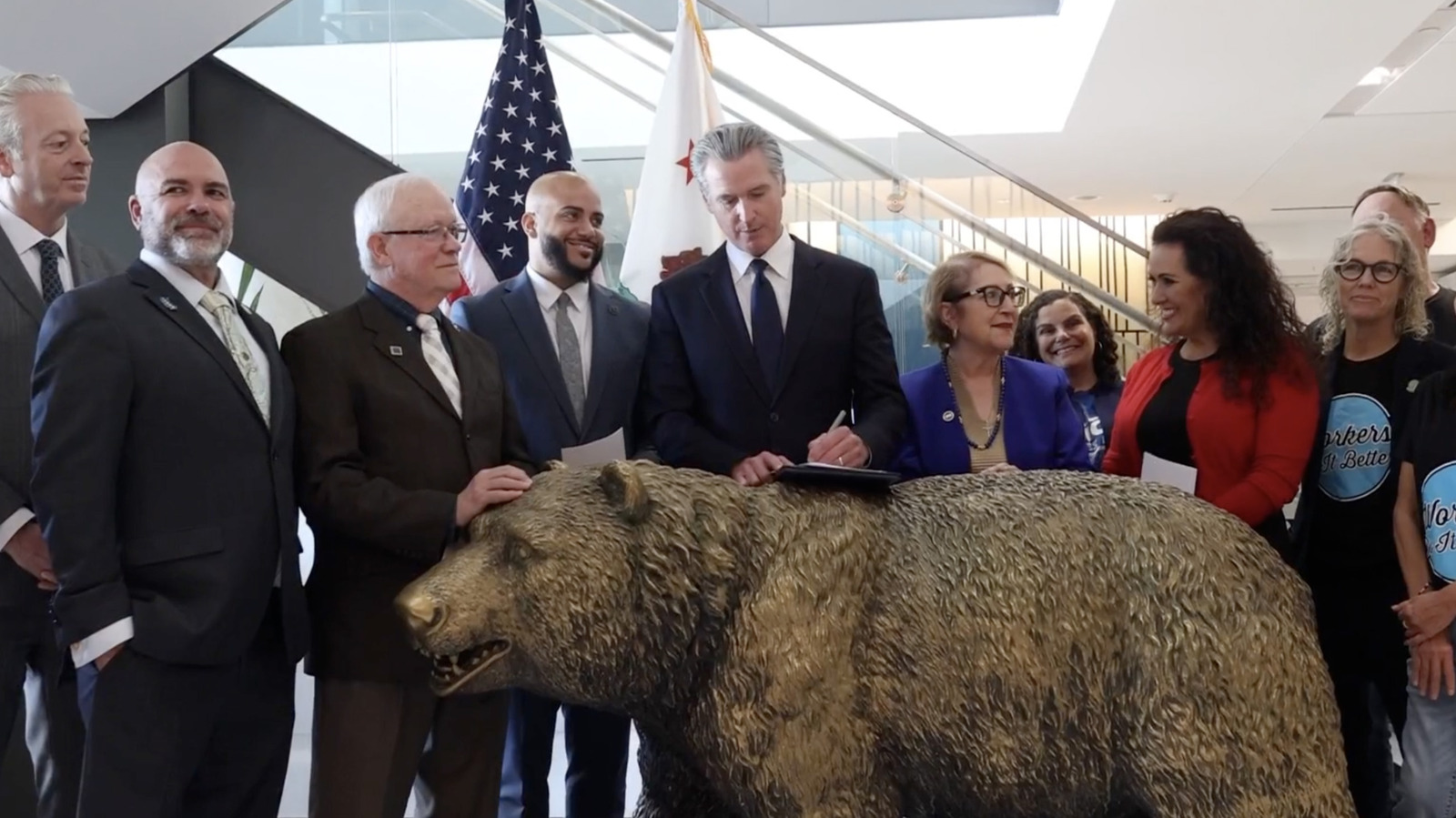
California has broken new ground with a law that bars companies from using artificial‑intelligence systems to determine layoffs or to keep constant watch over employees. Effective this month, the statute expressly forbids the use of algorithmic tools that could trigger dismissals or perform continuous performance monitoring absent direct human control.
Legislators presented the bill as a reaction to mounting worries that secretive AI models might amplify bias, subvert due process, and intrude on workers’ privacy. A coalition of labor unions and privacy champions backed the legislation, insisting that matters of livelihood ought not to be handed over to black‑box programs with hidden criteria. Proponents also pointed to recent high‑profile incidents in which firms employed predictive analytics to label employees as “underperforming,” occasionally leading to sudden terminations.
The law permits employers to employ AI for peripheral functions like scheduling help or data crunching, yet any tool capable of initiating a firing or producing ongoing monitoring reports must be coupled with a clear, human‑review mechanism. Firms that breach the rule may be hit with civil fines of $5,000 to $25,000 per violation and could also confront private lawsuits from impacted employees.
The measure appears as the nation wrestles with how AI should be used at work. Some technology companies claim algorithmic solutions boost efficiency and curb managerial bias, but detractors caution that, lacking firm accountability, such systems may reinforce current inequities. California’s action joins recent state initiatives, including New York’s suggested limits on facial‑recognition surveillance and Illinois’s biometric privacy statute, indicating a shift toward stricter governance of new technologies.
Reactions from business leaders have been mixed. The California Chamber of Commerce warned that the statute may raise compliance expenses and curb firms’ capacity to expand automated HR tools. In contrast, a number of employee‑rights groups hailed the law as an essential protection for workers amid swift automation. Legal analysts anticipate that companies will reassess their AI approaches, perhaps moving to more transparent, auditable systems or returning to conventional human‑driven decision making.
The state Department of Fair Employment and Housing will oversee implementation, issuing guidance on what counts as “reliance” on AI for firing decisions. As companies adapt to the new rules, the legislation could become a model for other states wrestling with the tension between tech innovation and employee safeguards.



Comments (0)
Be the first to comment.
Join the discussion