British Bumblebees Imperiled by Heatwaves as Cold Adaptations Become a Liability
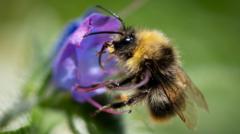
Throughout the United Kingdom, bumblebees are encountering considerable difficulties due to the nation's escalating frequency and intensity of heatwaves. These unique, hairy insects, well-known for their hardiness in colder environments, possess biological traits that prove disadvantageous when temperatures climb, as indicated by recent scientific findings.
The thick, insulating fur distinguishing UK bumblebees is ideally suited for retaining heat, allowing them to stay energetic and gather food effectively even through cool British springs and autumns. Yet, this inherent system for temperature control struggles to shed surplus heat efficiently when environmental temperatures climb substantially, rendering extended periods of heatwaves a grave danger to their existence.
Due to their adaptations for colder weather, bumblebees are prone to rapid overheating, resulting in distress and diminished activity levels. This adversely affects their capacity to seek out nectar and pollen, both crucial for the well-being and proliferation of their colonies. The energetic demands of regulating their body temperature in extreme heat consume energy that would otherwise be used for critical functions, potentially debilitating colonies over the long term.
The predicament of bumblebees during periods of intense heat raises particular alarm because of their indispensable function within the UK's ecosystem. Serving as key pollinators, they are essential for the propagation of numerous wild flora and a multitude of cultivated crops, thereby substantially aiding biodiversity and ensuring food security. A reduction in bumblebee numbers, brought about by climate-induced pressures, could trigger widespread repercussions across the natural world.
Given that climate forecasts point to an ongoing pattern of warmer summers and a higher incidence of heat events, it is becoming progressively vital to comprehend and lessen the effects on susceptible species such as bumblebees. Ecological scientists and preservationists are emphasizing the necessity for enhanced understanding of how these climatic alterations influence indigenous fauna.
Although the obstacle is considerable, specialists propose that local communities and individuals have a role to play in providing assistance. Straightforward actions, like setting out shallow containers of water containing pebbles so bees can drink securely, or cultivating drought-resistant, nectar-abundant flowers that can provide a degree of shelter, might help alleviate immediate discomfort during periods of intense warmth.
Ongoing investigations are delving deeper into the enduring consequences of climate change on the physical makeup and conduct of bumblebees. The discoveries reinforce the wider ramifications of planetary warming, advocating for sustained conservation initiatives and a forward-thinking strategy to safeguard these critical pollinators in the face of an ever-heating planet.


Comments (0)
Be the first to comment.
Join the discussion