Beyond Everest: Pursuing Higher Peaks on Our Planet
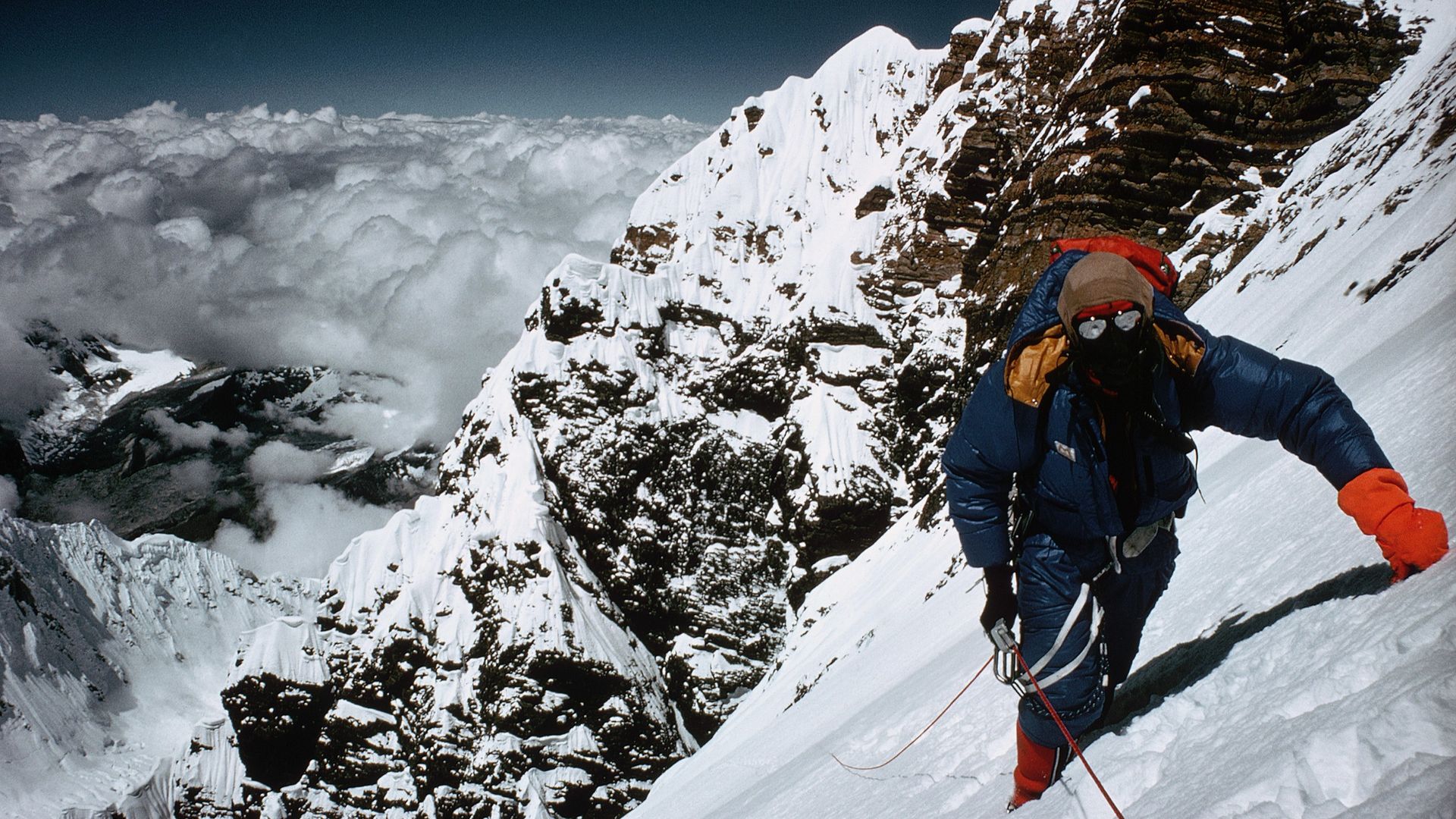
Mount Everest still claims the top spot for the greatest altitude above sea level, yet whether any other landform surpasses it hinges on the measurement method used. Although Everest’s summit remains listed at 8,848 metres, researchers and climbers cite additional mountains that could be considered higher when evaluated from alternative reference frames.
The massive Himalayas, shaped by the impact of the Indian and Eurasian plates, demonstrate how continental convergence can thrust crustal rock upward. The tectonic activity that raised Everest also generated an entire ridge of summits that dominate Asia’s horizon, turning the area into a natural laboratory for the study of orogeny.
If the measurement runs from base to summit, Hawaii’s volcano Mauna Kea exceeds Everest, climbing over 10,000 metres from the sea floor to its peak. In the same vein, Ecuador’s Chimborazo in the Andes is regarded as the spot on Earth most distant from the planet’s centre, thanks to the bulge at the equator. Such differing criteria show that “tallest” depends on the definition applied, rather than a single altitude number.
Still, Everest’s position stays unrivaled when using the most common yardstick—height above mean sea level. Continuous surveys employing satellite radar and GPS are fine‑tuning its precise measurement, particularly as melting glaciers and gradual tectonic uplift subtly shift the summit. The peak’s legendary status also persists because it functions as both a cultural symbol and a scientific reference point for high‑altitude study and exploration.
Upcoming measurements may sharpen our understanding of mountain elevations, and new methods might uncover additional rivals in isolated locales. At present, Everest remains the pinnacle of Earth’s terrain when gauged from sea level, while other summits serve as reminders that geology provides several ways to interpret “the tallest.”



Comments (0)
Be the first to comment.
Join the discussion