Apple Introduces Lockdown Mode: Weighing Top‑Tier Security Against Daily Convenience
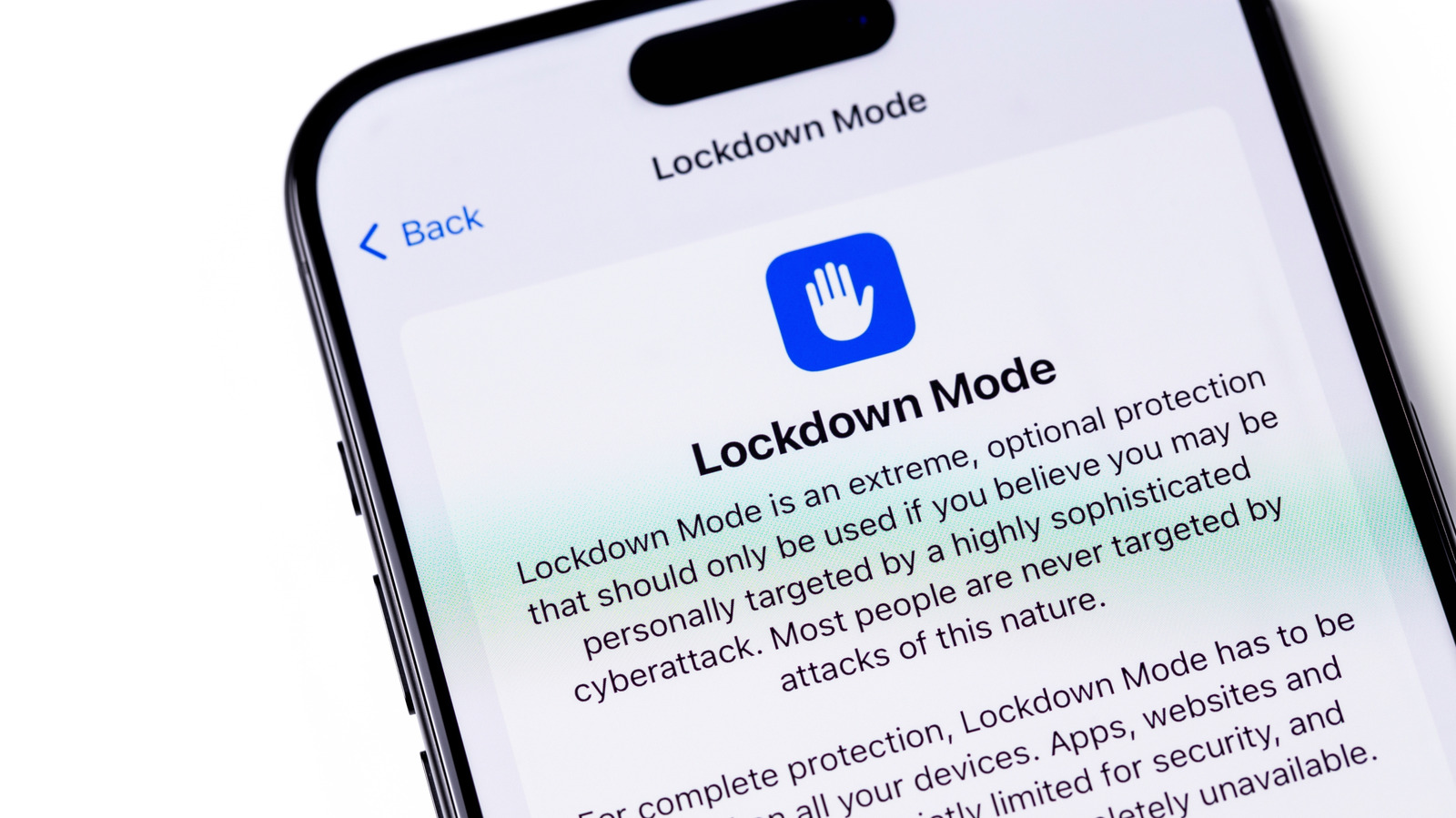
With the release of iOS 16, Apple added Lockdown Mode, branding it as a high‑security feature for individuals who could be the focus of advanced cyber‑espionage. The option hardens numerous system components, seeking to seal the vulnerabilities that recent high‑profile spyware incidents have taken advantage of.
Activating the mode restricts a number of everyday functions: the majority of message attachments are blocked, FaceTime calls from unfamiliar numbers are muted, and email links capable of launching zero‑click attacks are disregarded. Safari operates with reduced JavaScript capability, and invitations to group calls are filtered away.
Apple designed the utility for individuals under heightened threat—reporters tackling delicate subjects, human‑rights defenders, business executives, and anyone who might be targeted by state‑sponsored or criminal groups. The company references documented instances in which iMessage or Bluetooth flaws were exploited to obtain ongoing control of a device.
For ordinary users, however, the limitations may prove burdensome. The very protections that block harmful code also hinder everyday activities like getting photos from friends, participating in video calls, or visiting particular websites. Apple clarifies that the mode is not meant to be the default configuration for the majority of users.
Analysts caution that an “all‑or‑nothing” strategy could foster a misplaced feeling of safety. Turning on Lockdown Mode does not substitute core security practices such as installing updates quickly, employing robust passwords, or remaining alert to phishing and social‑engineering attacks that can circumvent technical safeguards.
Apple lets users switch the mode on or off whenever they wish, highlighting its function as an optional layer rather than a fixed setting. The launch of this powerful, integrated privacy feature mirrors a broader movement by major platforms toward providing sophisticated protections. Whether upcoming releases will turn these stringent measures into a standard option or retain them as a specialized tool for high‑risk individuals is still uncertain.



Comments (0)
Be the first to comment.
Join the discussion