Apple Adds Digital Driver’s License to Wallet, Explaining How to Set It Up and Where It’s Accepted
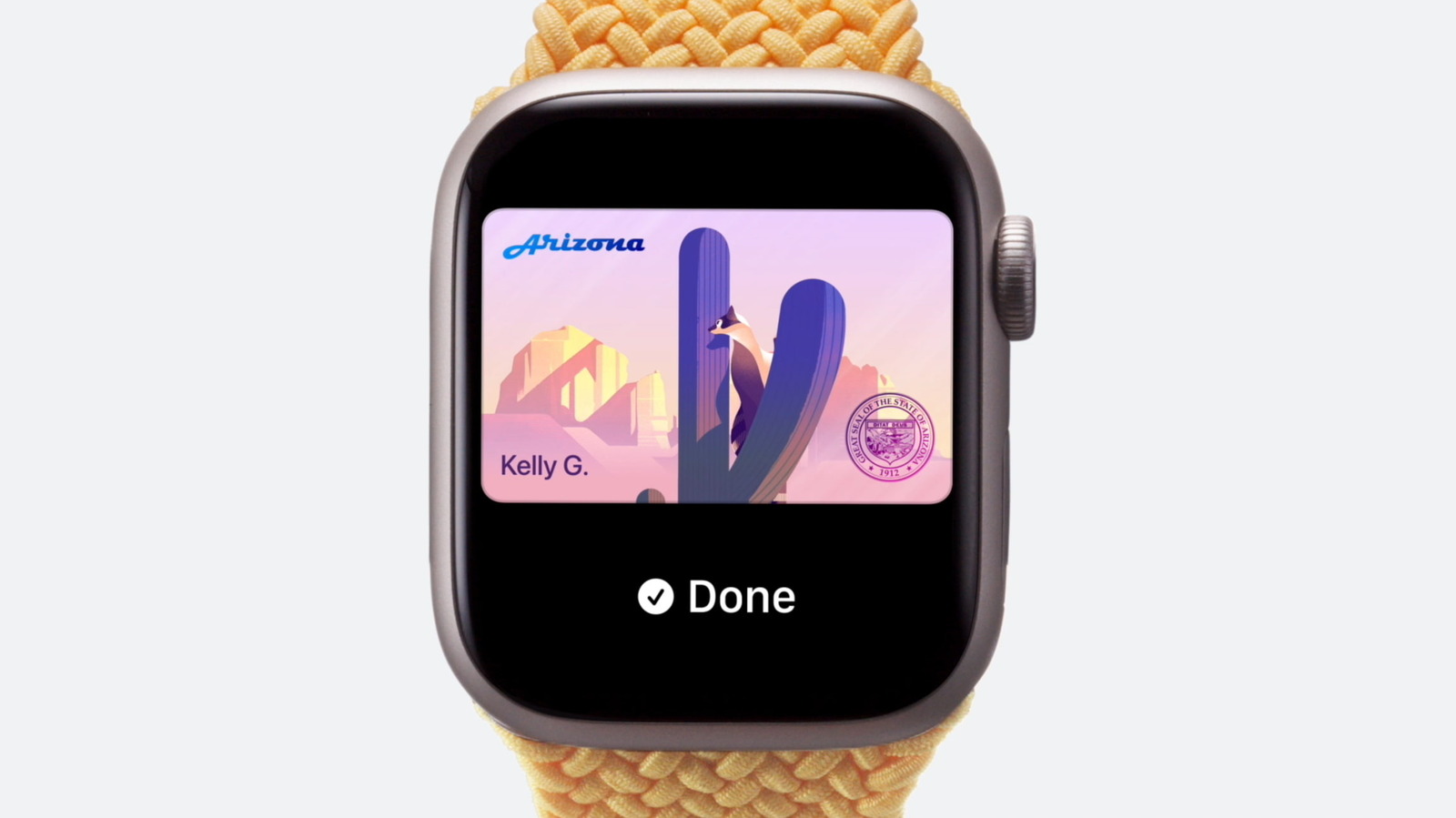
Apple has introduced the capability to keep a digital driver’s license inside its Wallet app, adding to the expanding roster of states that permit residents to store a government‑issued ID on their iPhone. Debuted with iOS 16, the function allows users to upload a scanned version of their license, which can then be shown at participating locations as a handy substitute for the paper card.
To add the digital license, iPhone users launch Wallet, tap the plus icon, and choose the “Driver’s License or State ID” entry. The app then walks them through photographing the existing card, inputting personal information, and completing verification that may require a selfie, a brief video, or a stop at a nearby DMV kiosk. After approval, the license appears as a card in Wallet, ready to be displayed with a double‑click of the side button.
At present, the feature works in a limited group of states—Arizona, Georgia, Connecticut, Iowa and Maryland—with more jurisdictions slated to join. Each participating state sets its own requirements and rollout schedule, and the digital ID is bound by the same legal standards as the physical version. Users can consult Apple’s support page or their state DMV website to verify availability.
Real‑world applications for the digital driver’s license are still taking shape. In the pilot states, the ID can be scanned at certain law‑enforcement checkpoints, age‑restricted venues, and a few airline boarding gates that have upgraded to accept Wallet credentials. Nonetheless, the digital form is not yet universally accepted; many merchants, especially outside the pilot regions, still demand a printed license. Apple recommends keeping the physical ID on hand as a backup until wider adoption occurs.
Analysts see the rollout as part of a larger shift toward mobile credentialing that could streamline verification and curb fraud. Privacy experts point out that Apple’s on‑device encryption and mandatory biometric authentication provide security layers absent from traditional cards. Looking forward, the company has signaled plans to broaden the digital ID suite to cover items such as passports and health records, potentially redefining how everyday documents are stored and presented in the digital era.



Comments (0)
Be the first to comment.
Join the discussion