Anubis Ransomware Group Targets Coca-Cola's Fairlife, Threatening Data Publication
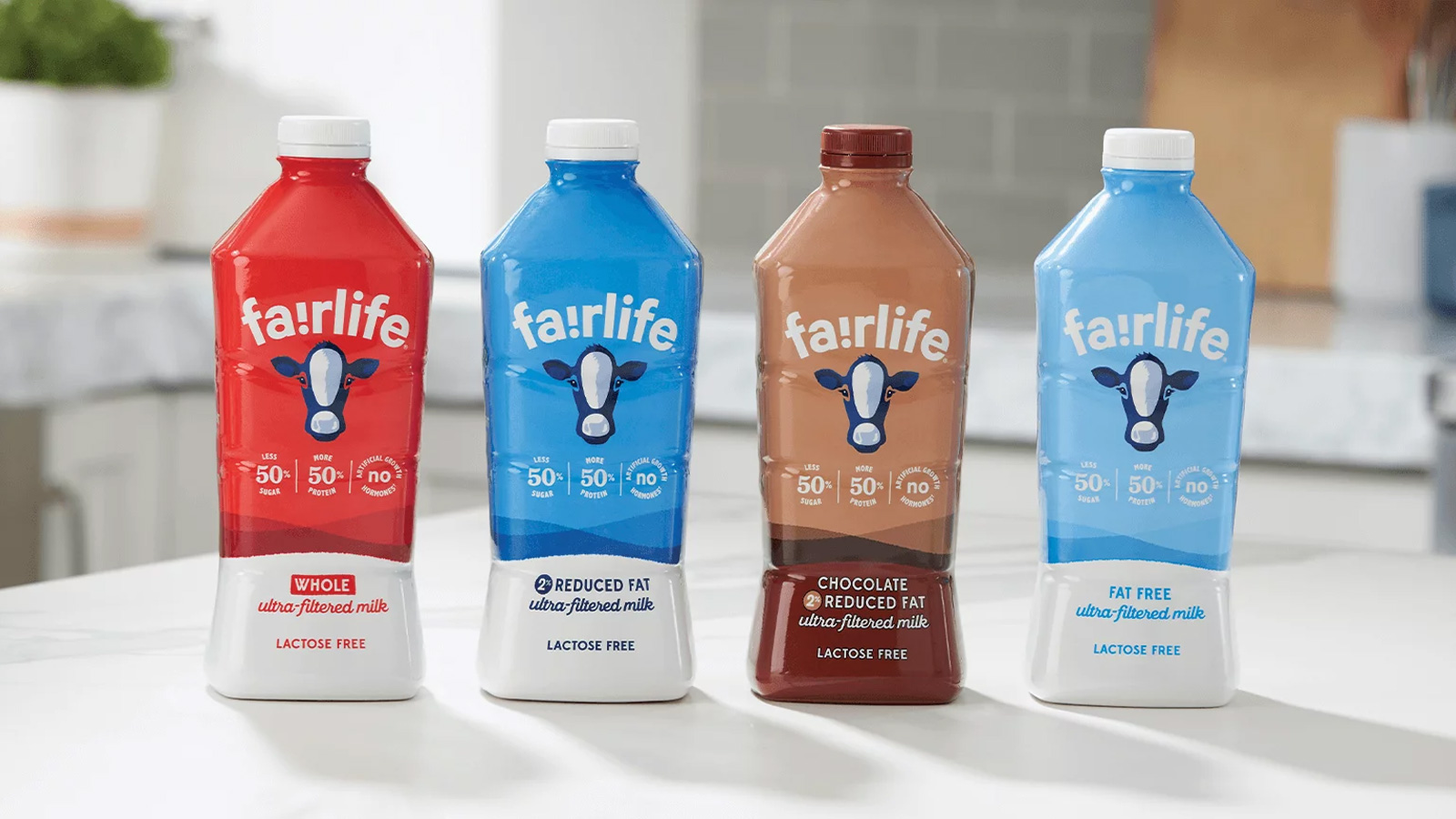
Fairlife, the dairy arm of Coca-Cola, is reportedly the target of a cyberattack claimed by the Anubis ransomware syndicate. The group is now menacing to release corporate data it asserts to have pilfered. Anubis has issued an ultimatum, demanding a ransom payment, or else the purportedly stolen confidential information will be made public.
This situation places Fairlife, a well-known producer of ultra-filtered milk and other dairy items, in a difficult predicament. Traditionally, ransomware attacks involve malicious actors encrypting a victim's data and then demanding payment for its decryption. However, many contemporary ransomware operations, including Anubis, employ a "double extortion" strategy. This involves not only encrypting data but also exfiltrating it and threatening its public exposure to exert additional pressure on companies to pay.
While the specific nature of the corporate data allegedly compromised remains unconfirmed, such security breaches often involve a broad spectrum of sensitive material. This can range from internal communications and financial records to employee data and proprietary business strategies. The prospect of this information being made public carries severe consequences, including damage to reputation, regulatory penalties, and an erosion of consumer trust.
For entities like Fairlife, which operates as a subsidiary of a global beverage behemoth such as Coca-Cola, managing a ransomware incident presents an intricate challenge. Critical decisions must be made regarding whether to engage with the perpetrators and potentially yield to their ransom demands. This path is fraught with ethical and practical dilemmas, notably the risk of inadvertently encouraging future attacks and providing funds to criminal enterprises.
Cybersecurity specialists consistently recommend that organizations refrain from paying ransoms, primarily because there is no guarantee that the data will be recovered or permanently deleted. Nevertheless, the immense pressure to safeguard sensitive information and prevent operational disruptions frequently compels companies into making arduous choices, especially when vital business functions are affected or valuable data is at risk.
This incident highlights the increasingly complex threat landscape confronting businesses across all industries. Ransomware groups have grown remarkably sophisticated, targeting organizations of diverse sizes with customized attacks designed to maximize their leverage. Even sectors like dairy and food processing, often classified as critical infrastructure, are not immune to these pervasive digital dangers.
As Fairlife embarks on, or continues, a thorough forensic investigation into the breach, the company will grapple with the task of ascertaining the full scope of the data compromise, bolstering its systems, and potentially informing affected parties. The coming weeks will be crucial in revealing the approach Fairlife and Coca-Cola will take in response to Anubis's demands, and whether any corporate data ultimately appears online.



Comments (0)
Be the first to comment.
Join the discussion