Ancient Fossils Show 66‑Pound Rodent Wandering Thailand 34 Million Years Back
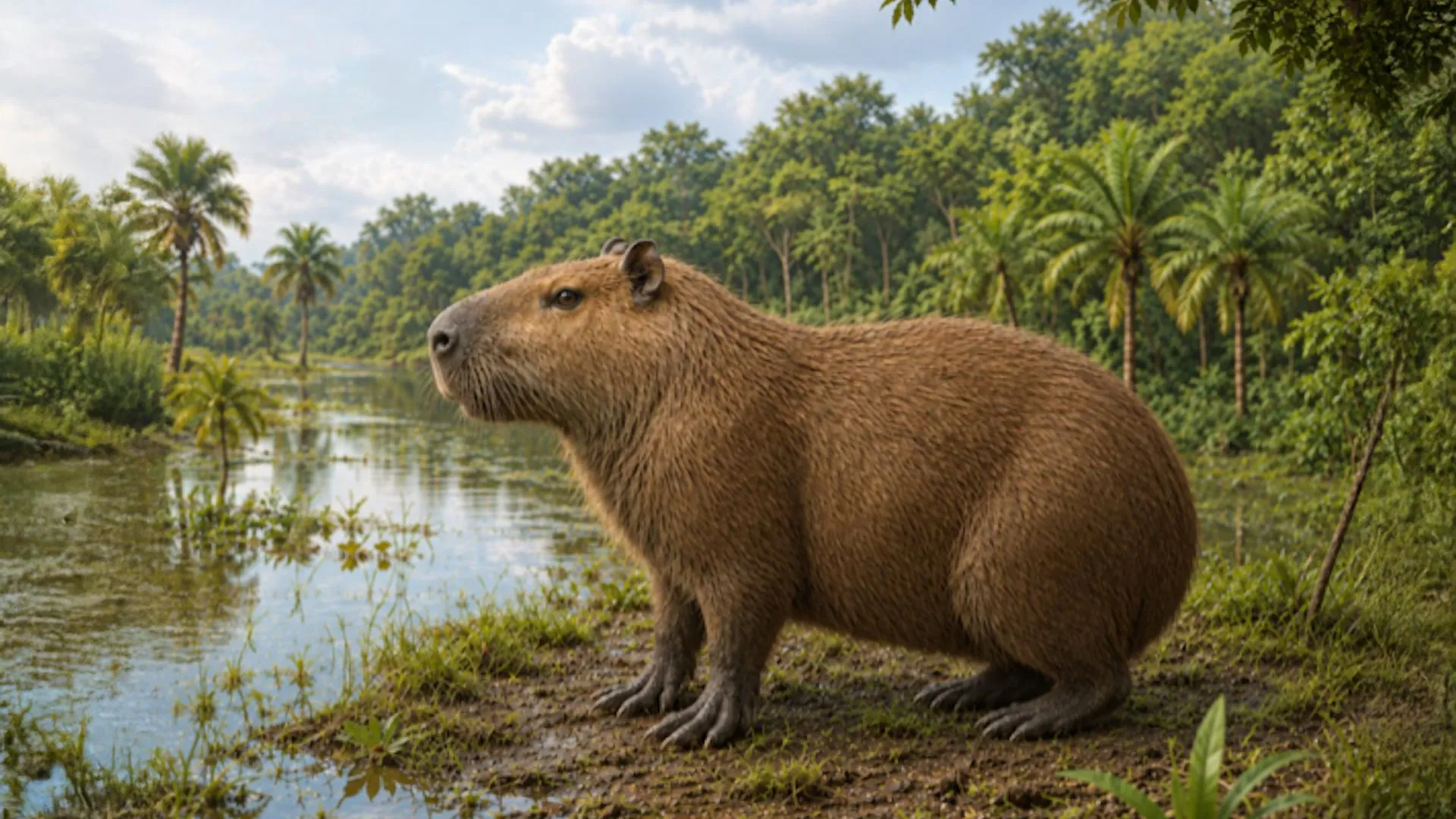
Researchers reported uncovering a gigantic rodent that inhabited present‑day Thailand roughly 34 million years ago, extending the known onset of large‑rodent evolution. The animal, named Yakamys sirindhornae, is thought to have tipped the scales at about 30 kilograms (≈66 pounds), a size similar to that of a small contemporary dog.
Extracted from Oligocene‑era sedimentary strata, the fossils comprise a largely intact skull together with multiple jaw pieces, enabling scientists to piece together the creature’s form. Its tooth arrangement and skeletal makeup point to a plant‑eating lifestyle, akin to modern capybaras and other big rodents, implying that plentiful foliage could sustain such large mammals early in the epoch.
Before this discovery, paleontologists generally believed rodents stayed modest in size throughout most of their evolution, with genuinely massive species appearing only in the later Pleistocene. The Thai fossil contradicts that notion, showing that the branch that gave rise to present‑day large rodents had already diversified and reached substantial size in the Oligocene, an era characterized by cooler temperatures and widening open landscapes across Asia.
Although researchers are still investigating the precise ecological role of Yakamys sirindhornae, its bulk suggests it functioned as a primary herbivore able to chew robust vegetation. This find further enriches the expanding catalogue of atypical megafauna from Southeast Asia, a locale that has produced diverse extinct mammals—from gigantic pangolins to huge marsupials—underscoring its significance for deciphering mammalian evolutionary history.
Scientists warn that the mass calculation relies on scaling models taken from living rodents and could be adjusted when more specimens become available. Still, the discovery highlights the possibility of uncovering additional insights into the region’s ancient ecosystems, particularly as newer fossil locations are investigated using modern excavation methods.
Naming Yakamys sirindhornae broadens the recognized variety of ancient rodents and also triggers a reevaluation of the speed at which mammals responded to shifting climates and environments over deep time. Upcoming research will seek to position the species within a wider phylogenetic context, clarify its ties to other extinct and living rodents, and investigate the drivers behind the emergence of such large body sizes so early in mammalian history.


Comments (0)
Be the first to comment.
Join the discussion