Analysts Predict iPhone 17 Prices May Remain Flat Amid Upcoming Foldable Release
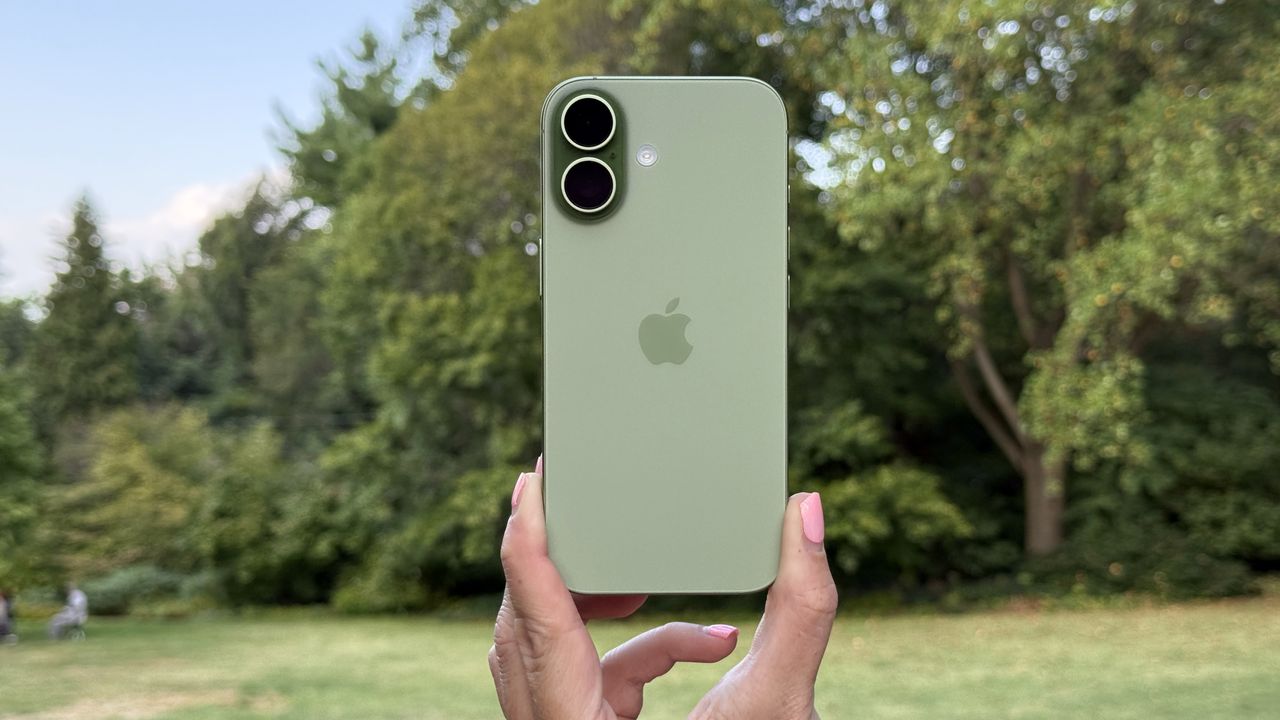
Industry analysts warn that Apple enthusiasts hoping for a price reduction on the iPhone 17 once the next model appears might need to curb their expectations. Although a fresh iPhone usually prompts a discount on its predecessor, the market conditions this year are more intricate.
Later this year, the tech behemoth is set to launch the long‑rumored foldable phone—most analysts identify it as the iPhone 18. Rolling out a high‑priced, mechanically complex device could alter Apple’s pricing approach, prompting the firm to hold its flagship prices steady so as not to cannibalize the foldable’s sales.
Adding to the challenge are escalating memory component costs. DRAM and NAND prices have climbed far above recent-year levels, spurred by strong demand in data‑center, AI, and consumer‑electronics markets. Since Apple purchases these chips in massive quantities for its products, the increased expense squeezes the iPhone 17’s profit margins.
In the past, Apple has applied modest price cuts to older models to move stock and appeal to cost‑conscious shoppers. Yet, as memory expenses chip away at margins, the firm may shy away from aggressive price cuts. Analysts propose that Apple might instead rely on limited promotional offers, carrier subsidies, or trade‑in incentives instead of a universal discount.
Supply‑chain analysts observe that Apple’s iPhone 17 stock is already below levels seen in earlier cycles, indicating a deliberate move to curb inventory before the foldable’s debut. A slimmer stock eases the need for steep discounts, yet it also results in fewer units being offered at lower prices for buyers who favor the established design.
How consumers react will probably depend on the foldable’s market positioning. Should Apple set the new phone’s price far above the iPhone 17’s current price, a portion of shoppers might stick with the older model, leading Apple to issue selective discounts. On the other hand, a competitively priced foldable could compel Apple to leave the iPhone 17’s price largely unchanged to protect its brand equity.
Looking forward, this scenario highlights a wider transformation in Apple’s product roadmap. The firm seems to be stepping past modest upgrades, aiming to broaden its high‑end lineup—a shift that may alter pricing trends for the foreseeable future.
In the meantime, consumers would do well to watch carrier deals and Apple’s trade‑in program instead of banking on a typical post‑launch price reduction. The precise pricing strategy will become more apparent as the foldable’s official launch draws nearer later this year.



Comments (0)
Be the first to comment.
Join the discussion