AI-Enabled Trash Trucks Ignite Privacy Concerns in U.S. Municipalities
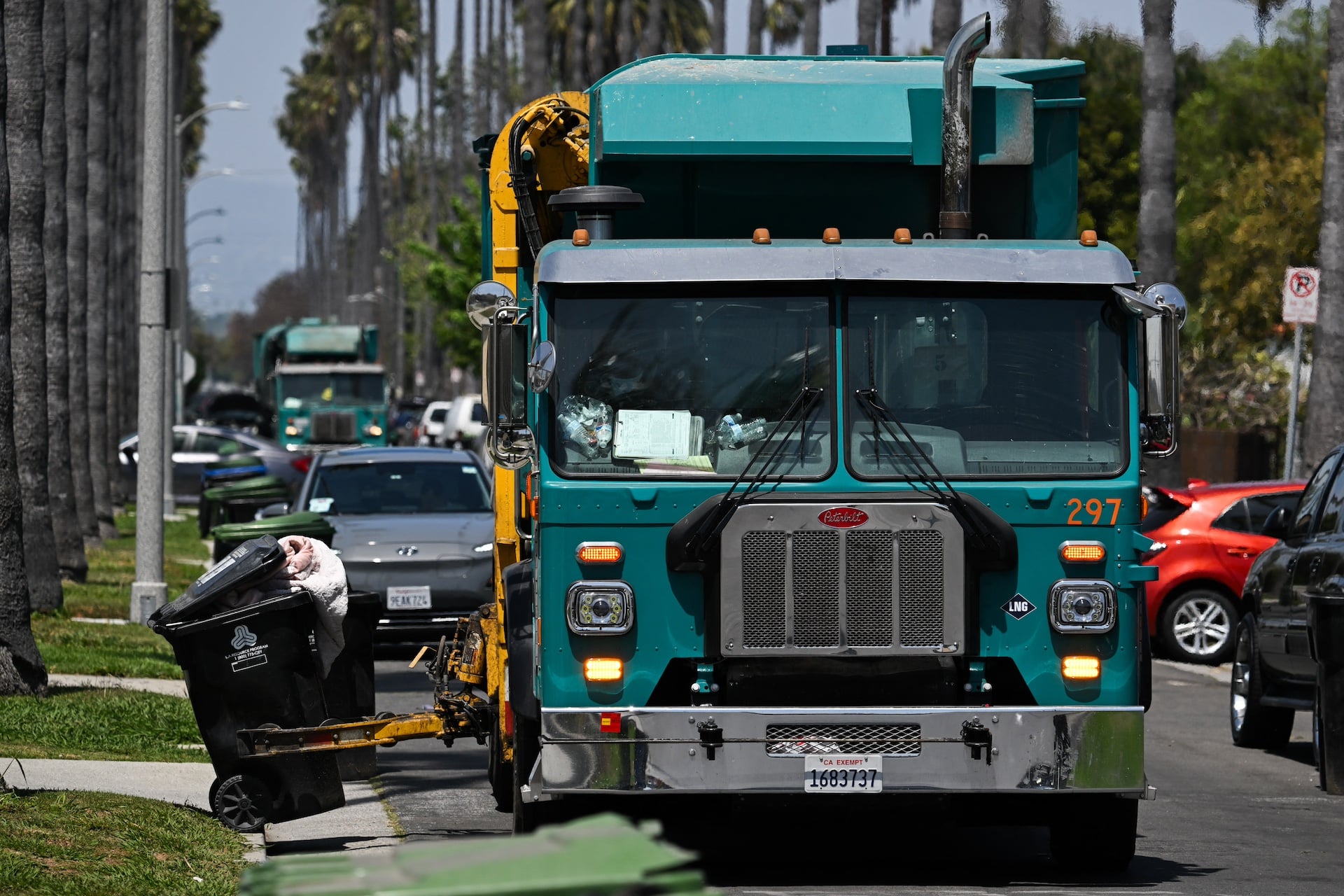
Cities nationwide are now deploying refuse trucks equipped with AI‑powered cameras capable of identifying items, separating recyclables in real time, and capturing video of the roads they traverse, leading officials and privacy groups to wrestle with the consequences of a growing surveillance web.
These trucks pair high‑definition video sensors with machine‑learning software that can tell paper, plastic, metal and organic material apart. Beyond boosting sorting performance, the technology produces nonstop street‑level video that vendors say can be archived, examined, or distributed to other municipal departments.
A number of mid‑sized municipalities have launched pilot schemes with private companies that focus on AI‑based waste handling. Usually the city contributes the trucks while the contractor delivers the cameras, software and data‑hosting services. Supporters claim the system can raise recycling percentages, lower landfill use and slash operating expenses by fine‑tuning routes according to live load data.
Nevertheless, civil‑rights organizations caution that the cameras effectively form a mobile surveillance tool lacking transparent oversight. They argue the footage could be repurposed for police monitoring, facial‑recognition checks or commercial data mining, particularly given the current lack of laws regulating data retention, access or erasure.
Municipal councils are currently balancing the pros and cons. While some leaders highlight the ecological benefits and possible budget savings, others demand firm restrictions on storage duration, viewer access, and the ability to associate data with specific residents. A few cities have already drafted rules that mandate anonymizing video feeds and publicly reporting on data practices.
This dispute reflects wider national discussions on reconciling smart‑city advantages with privacy protections. As AI‑driven vehicles progress past pilot stages, legislators, technologists and community advocates are expected to craft the regulatory landscape that will decide if smarter waste collection can be achieved without converting ordinary streets into an unchecked surveillance network.


Comments (0)
Be the first to comment.
Join the discussion