AI CEOs Urge G20 to Allow Unfettered Growth as Trump Calls for Deregulation
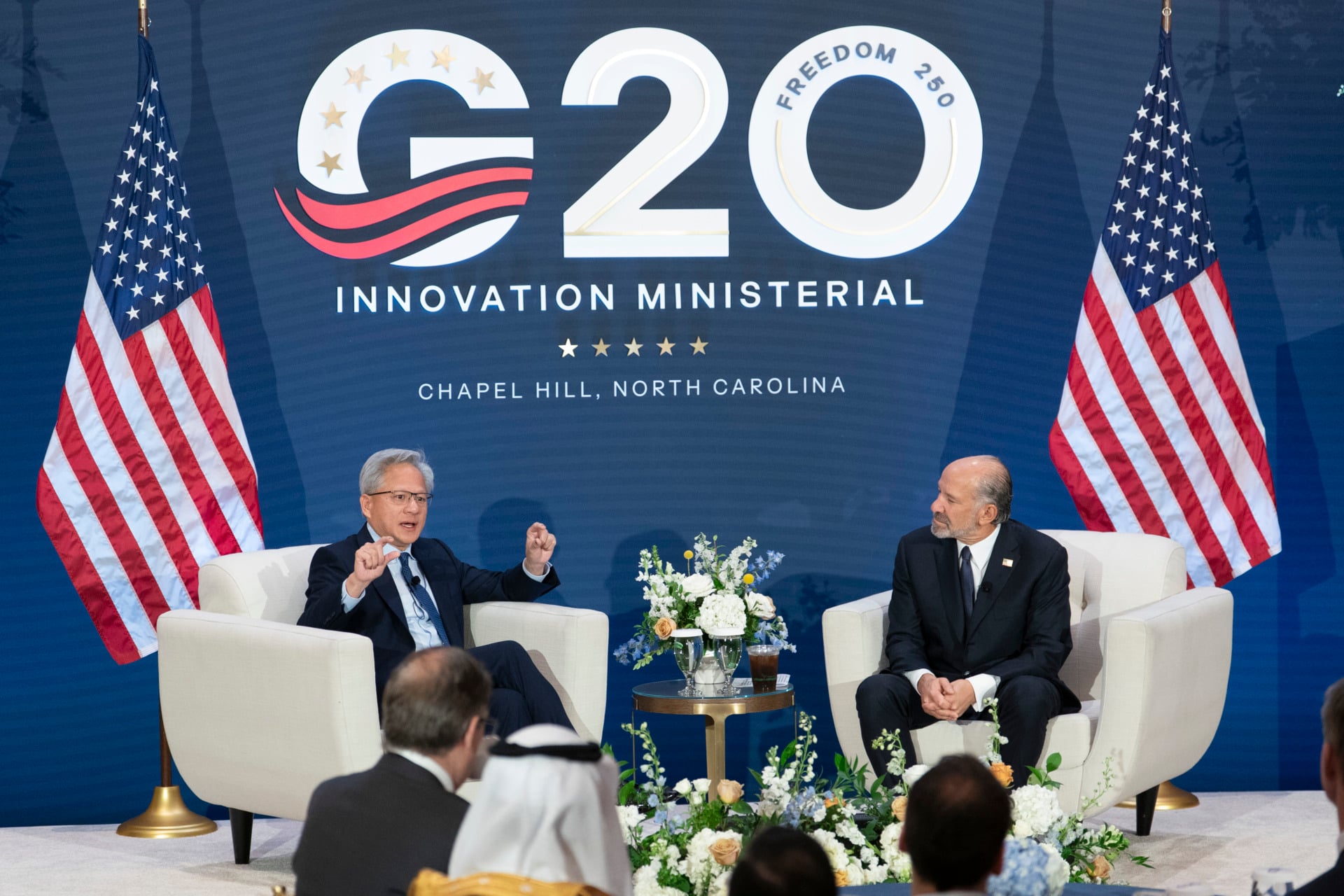
Leading figures from OpenAI, Anthropic, Nvidia and Palantir convened during the latest G20 summit, presenting a unified plea to global leaders that artificial intelligence must be regarded as an essential driver of economic expansion.
Representing some of the AI industry's most powerful companies, the delegation sat down with representatives from the United States, the European Union and other G20 members. They warned that stringent regulation would choke innovation and hand a competitive edge to countries that choose a looser approach, a sentiment mirrored in President Donald Trump’s recent deregulation appeals.
Veterans within the sector have repeatedly cautioned that overly forceful policies could slow the swift rollout of AI applications in fields such as healthcare and finance. Positioning AI as vital to a nation’s competitiveness, the executives aimed to synchronize their goals with the administration’s wider push to dismantle what it deems bureaucratic hurdles.
Historically a platform for unified economic strategy, the G20 is now wrestling with how to tackle the societal effects of advanced AI, such as bias, privacy issues and job displacement. Although certain member states have suggested precautionary frameworks, the technology leaders contended that these could produce disjointed standards that would impede international cooperation.
Analysts observe that this outreach aligns with a surge in U.S. legislative activity, where bipartisan proposals are being debated to introduce fresh oversight of AI development. By speaking with a single voice, the firms aim to influence the debate before any enforceable regulations take effect.
Watchers warn that the drive for limited regulation needs to be weighed against rising public calls for accountability. In the coming weeks, both the G20 and domestic legislatures are expected to intensify discussions as policymakers balance AI’s economic potential with the necessity for protective measures.
Should the executives’ lobbying succeed, it may establish a model for future industry‑government relations, casting AI as a strategic resource deserving preferential policy treatment. Conversely, pushback from regulators could force a more guarded deployment, compelling the sector to adjust its business models to meet new standards.



Comments (0)
Be the first to comment.
Join the discussion