AI Benchmark Update Sends China’s Kimi K3.1 Pro Sliding Out of World’s Top Four
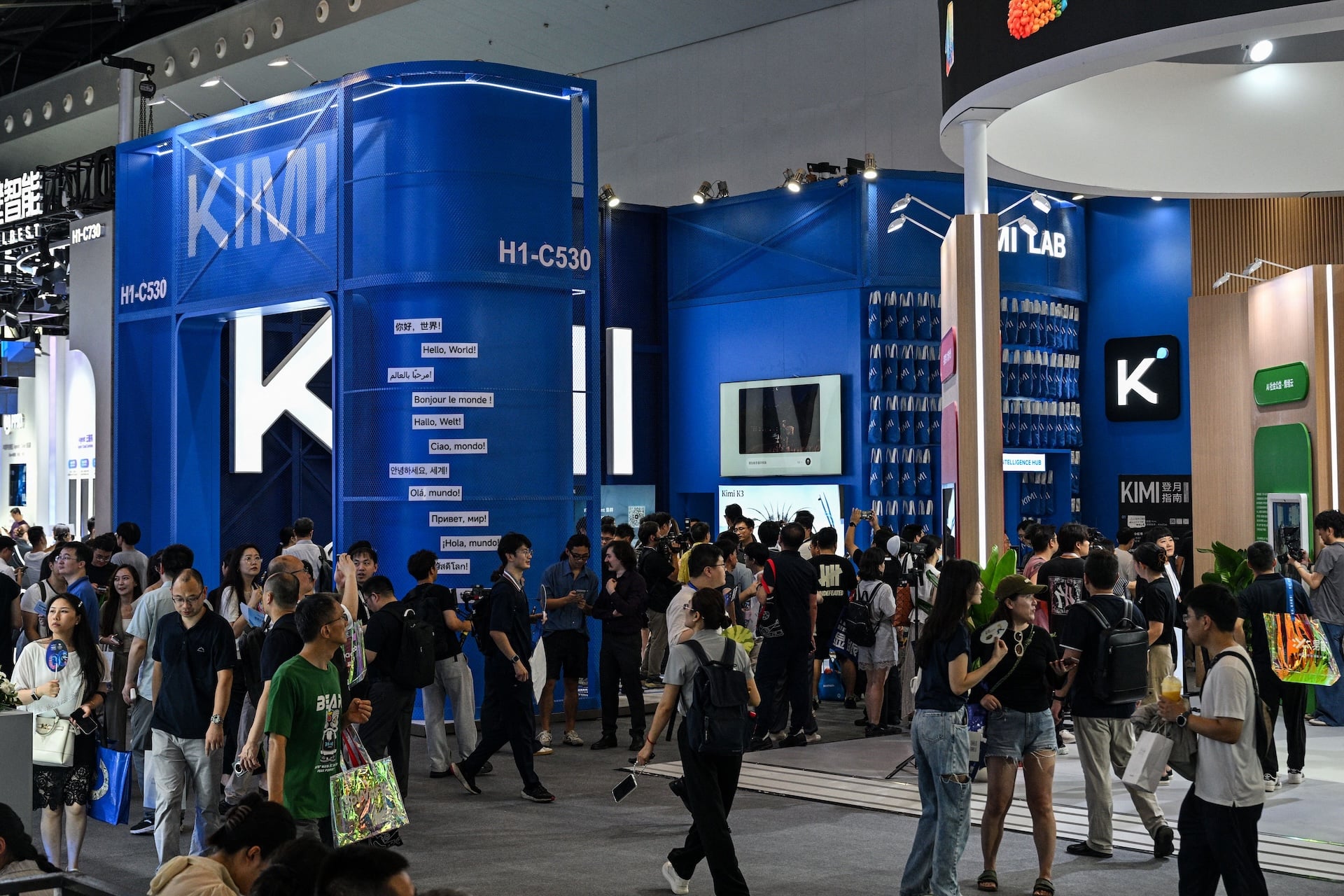
The newest version of the most frequently referenced AI performance benchmark has altered the rankings, pushing the Kimi K3.1 Pro model out of its spot as the fourth‑best system globally. The revision, disclosed by the consortium that oversees the benchmark, reveals a clear margin between the Chinese entry and the three models now occupying the leading positions.
This benchmark, which compiles results from a range of language, vision and reasoning tasks, is seen as a gauge of overall model strength. Researchers and industry watchers depend on its outcomes to assess progress, direct funding, and signal competitive edge. The latest iteration introduced stricter evaluation standards and incorporated several fresh tasks aimed at probing long‑term reasoning and multimodal integration.
Kimi K3.1 Pro, created by a prominent Chinese AI laboratory, secured its fourth‑place rank in the prior edition by excelling in natural‑language generation and image‑captioning tests. Its rise was hailed as evidence that Chinese research was narrowing the divide with leading U.S. and European labs. Yet, the new scoring approach exposed shortcomings in complex logical inference and cross‑modal consistency, causing the model to slip behind newer competitors from both established and up‑and‑coming players.
The change holds symbolic significance for China’s wider AI goals. State policy has long stressed narrowing the talent and technology gap, and high‑profile model leaderboards are frequently referenced in official remarks. A fall in the rankings could spur domestic companies to speed up development of next‑generation architectures, boost investment in diverse data, or pursue partnerships that tackle the benchmark’s newly emphasized hurdles.
Looking forward, the benchmark’s organizers have signaled that upcoming revisions will keep pace with the swift evolution of AI research. Analysts anticipate that the Kimi team, together with other Chinese groups, will answer with updated models or brand‑new systems to regain lost positions. The incident highlights how fluid the global AI competition has become, where a single benchmark can instantly reshape perceptions of technological leadership.



Comments (0)
Be the first to comment.
Join the discussion