2027 Robot Vacuums Add Drop‑Down Suction, Steam Functionality, and Smarter Navigation
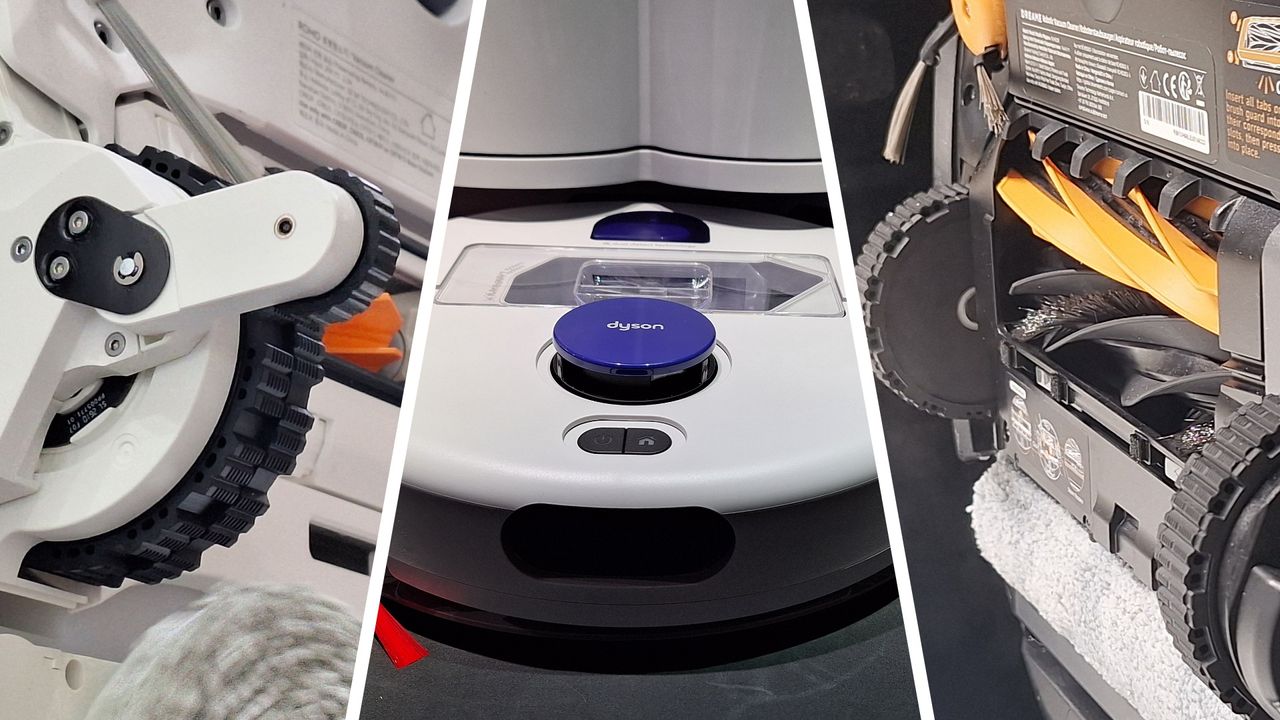
The newest batch of robot vacuums arriving on the market for 2027 demonstrates that manufacturers are homing in on three clear upgrades: on‑demand variable suction boosters, built‑in steam‑cleaning units, and AI‑powered mapping that approaches human‑level accuracy.
Analysts point out that the market’s brisk turnover—most brands roll out several fresh models each year—has turned product cycles into a sprint. Although the flood of releases can overwhelm shoppers, it also speeds the spread of breakthrough features, letting innovations once limited to high‑end models appear across a wider price range.
A standout trend is the drop‑down suction booster. Instead of a single, fixed suction setting, the latest designs incorporate a motorized nozzle that can extend downward when the robot senses dense debris or carpeted surfaces. Early testers have noted a clear boost in handling pet hair and larger particles, while battery consumption remains modest thanks to more efficient power‑management chips.
Steam cleaning, long a mainstay of handheld tools, is now being miniaturized for autonomous floor robots. By heating a compact water tank and sending a fine mist through a rotating brush, the devices can loosen stubborn grime before the vacuum suction engages. The approach currently works only on hard floors, but makers market it as a dual‑function alternative that reduces the need for separate mop‑and‑vac appliances.
Behind the hardware, AI‑driven navigation is turning into a baseline expectation. Leveraging lidar, visual odometry, and cloud‑based learning, the vacuums generate dynamic maps that adjust to furniture moves and temporary obstacles. This yields fewer missed spots and a more efficient cleaning path, which in turn prolongs runtime—a crucial factor as higher‑powered suction and steam modules draw more energy.
These developments matter not just for convenience but also for the wider smart‑home ecosystem. Integrated voice control, scheduling via popular assistants, and the ability to share cleaning data with other IoT devices are becoming commonplace. As robots assume more complex duties, they also produce richer data streams that could inform home‑maintenance services or energy‑usage analytics.
Looking forward, experts expect even greater convergence of cleaning methods, with upcoming models potentially merging ultrasonic dust detection, self‑cleaning brushes, and AI‑based predictive‑maintenance alerts. For the moment, the 2027 lineup sends a clear message: robot vacuums are shifting from simple floor sweepers to multifunctional, intelligent assistants designed to tackle the messier corners of contemporary living.



Comments (0)
Be the first to comment.
Join the discussion